

I’ve made the same mistake on every trip for years: I pack too much tech. Half of it stays in the bag untouched. The other half creates problems — tangled cables, dead batteries, adapters that don’t quite fit.
2026 is the year I finally got it right. After a dozen trips, I’ve narrowed my travel tech down to the items that actually solve problems instead of creating new ones. Every piece on this list has survived the packing cut multiple times because it genuinely made the trip better.
Here’s what made it — and why.
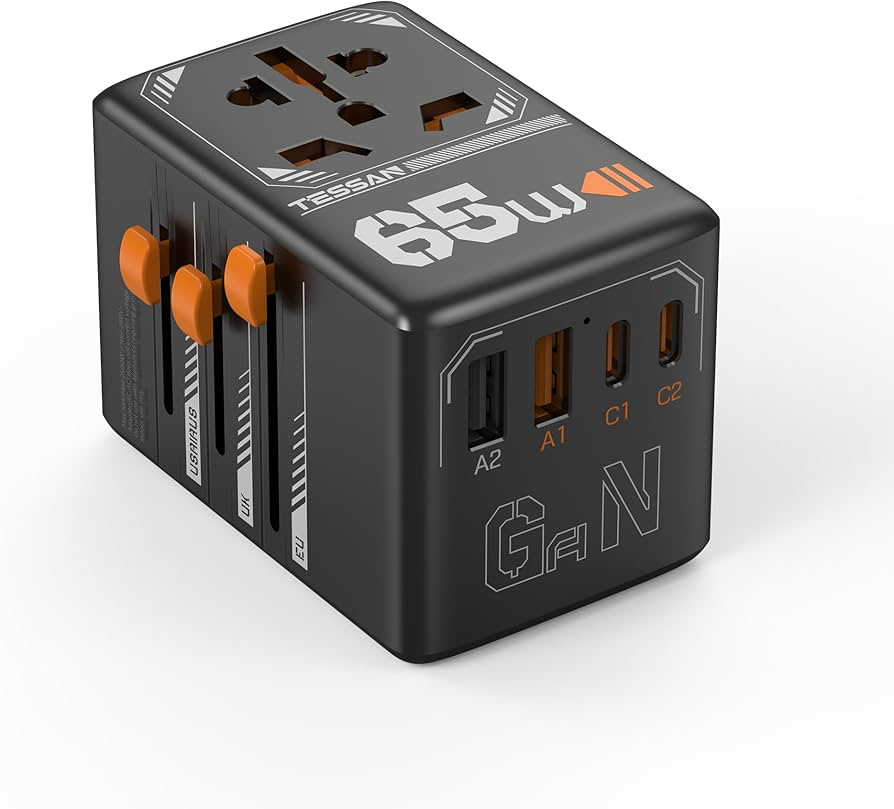
The Universal GaN Charger Replaced Three Devices
If you’re still traveling with separate chargers for your laptop, phone, and tablet, you’re carrying dead weight. A single GaN (Gallium Nitride) charger handles all of it.
I’ve been using the TESSAN 65W universal adapter for the past six months across four countries. It covers US, UK, EU, and Australian plug types. It has USB-C Power Delivery for my laptop and USB-A for older devices. It folds flat when not in use. And it replaced my laptop charger, phone charger, and a separate international plug adapter — three items consolidated into one.
The GaN technology matters because it runs cooler and smaller than traditional silicon chargers at the same wattage. A 65W GaN charger is roughly the size of a deck of cards. A traditional 65W laptop charger is three times that size with a brick and cable. The space and weight savings compound over a two-week trip.
At around $40, this is the single best value-per-use item in my travel kit.
Two Power Banks, Not One
This is the advice I resisted longest and now swear by: carry two power banks.
The logic is simple. One stays plugged in at the hotel charging overnight. The other one comes with you. You always have a full backup without planning around charge cycles. When your phone is your boarding pass, your map, your translator, and your camera, running out of battery isn’t an inconvenience — it’s a trip-disrupting problem.
The Anker 10,000 mAh MagSafe power bank is my primary. It snaps magnetically to the back of my iPhone, charges wirelessly, and has a built-in kickstand for propping up on tray tables. Two full phone charges per bank. The second bank is a generic 10,000 mAh USB-C unit that stays at the hotel on the charger.
Total weight for both: under 400 grams. Total peace of mind: absolute.
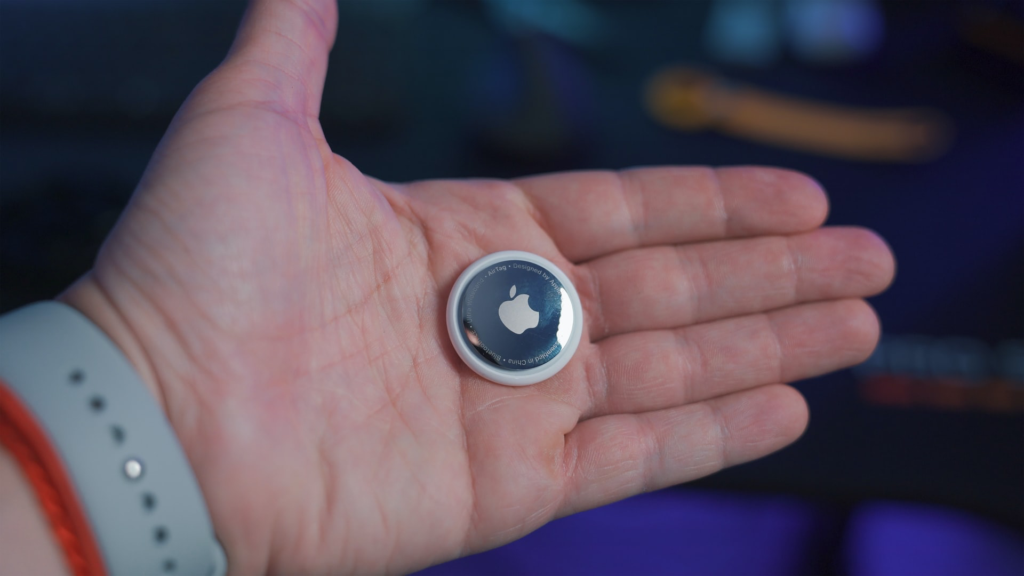
AirTags in Every Checked Bag
I started doing this in 2024 and I’m never going back. One AirTag goes in every checked bag. The cost is trivial — about $25 per tag — and the information is invaluable.
I’ve used AirTag tracking to confirm my bag made a tight connection when the airline’s own system showed no information. I’ve watched my bag arrive at baggage claim from my seat on the plane so I knew exactly when to head to the carousel. And on one memorable occasion, I tracked a delayed bag to a completely different airport, which gave me the information I needed to file the right claim immediately rather than waiting for the airline to figure it out.
The second-generation AirTag adds improved ultra-wideband precision finding and a louder speaker. Both upgrades matter when you’re trying to locate your bag in a crowded claim area.
eSIM Over Physical SIM, Every Time
If you’re still buying local SIM cards at airport kiosks, you’re spending more money and more time than you need to. eSIM has matured to the point where it’s the default play for international connectivity in 2026.
The process: before your flight, buy a data plan for your destination country through an eSIM provider. When you land, activate it. You have high-speed data immediately — no finding a kiosk, no swapping tiny cards with a pin tool, no risking losing your home SIM.
I’ve used Airalo and Holafly across Europe and Southeast Asia. Plans run $5-$15 for a week of data depending on the country. Compared to international roaming charges or even airport SIM prices, the savings are significant. And you keep your home number active on your primary SIM for calls and texts.
The one requirement: your phone needs to support eSIM. Most phones released after 2022 do. Check before you travel.
Noise-Canceling Earbuds (Not Headphones)
I switched from over-ear headphones to noise-canceling earbuds two trips ago and I’m not going back. The AirPods Pro handle noise cancellation well enough for flights, and they take up a fraction of the space.
The key advantage isn’t sound quality — over-ears still win there. It’s packability. Earbuds fit in a pocket. They don’t require a dedicated case in your carry-on. You can sleep in them on a red-eye without the pressure of a headband. And with transparency mode, you can wear them through security and boarding without missing announcements.
For the space they save and the comfort they provide across a full travel day, noise-canceling earbuds are the clear winner over headphones for travel in 2026.
What I Stopped Carrying
Just as important as what made the cut: a portable Bluetooth speaker (hotel rooms have them or I use my phone), a standalone camera (phone cameras are good enough for my needs), a laptop stand (I prop my laptop on whatever’s available), and a physical notebook (I use my phone’s notes app).
Every item you remove from your bag is weight you don’t carry, space you reclaim, and one less thing to keep track of. The best travel tech setup in 2026 is the smallest one that still does everything you need.