
I’ve been skeptical about real-time translation devices for years. Every version I tried felt like a tech demo — impressive in a controlled environment, useless in a noisy restaurant in Bangkok or a taxi in Istanbul.
That changed at CES 2026.
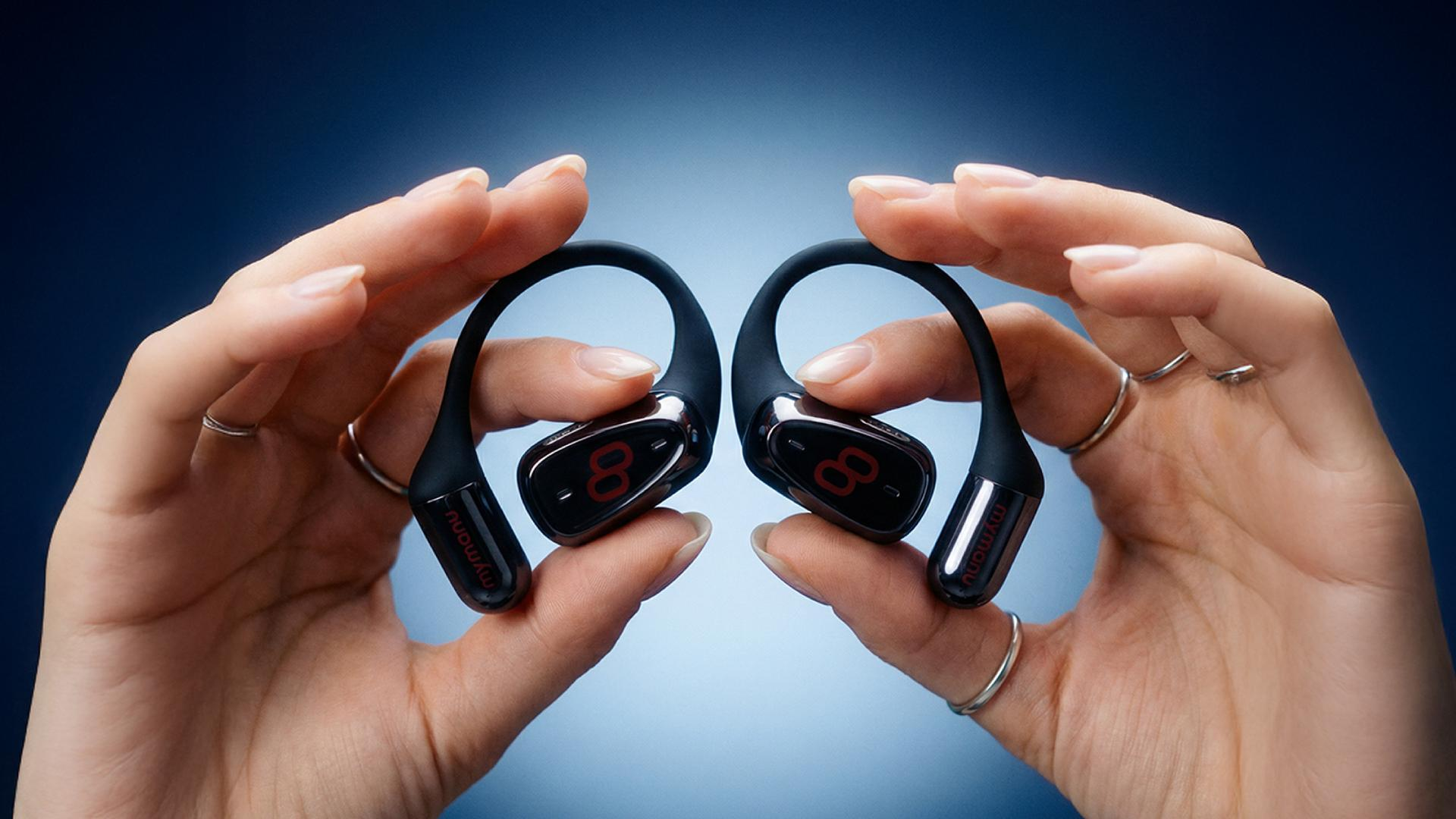
The latest generation of AI-powered translation earbuds, led by the Timekettle W4, has crossed a threshold. The translations are faster. The accuracy is higher. The AI engine automatically selects the best translation model for each language. And the bone-conduction voice capture means the device picks up your voice clearly even in loud environments.
This isn’t a gimmick anymore. It’s a legitimate travel tool.
What Changed
The fundamental improvement is the AI engine underneath. Previous translation earbuds ran on generic translation models that handled common phrases well but fell apart on anything conversational. The new systems use multiple AI models and dynamically switch between them based on the language pair, context, and speaking style.
The result is translations that sound natural rather than robotic. The latency — the pause between speaking and hearing the translation — has dropped to around one second in most language pairs. That’s fast enough for a real conversation, not just transactional exchanges.
The bone-conduction microphone is the other big leap. Traditional microphones on earbuds pick up everything — your voice, ambient noise, the espresso machine behind you. Bone conduction captures your voice through vibrations in your jaw, which dramatically reduces background noise. In testing, this was the difference between the device working in a quiet hotel lobby versus actually working in the real world.
Where They Work and Where They Don’t
I’ll be direct about the limitations. AI translation earbuds in 2026 work well for structured interactions — ordering food, asking directions, negotiating prices, basic social exchanges. They work across major languages with high accuracy. They handle accents and regional dialects better than previous generations.
Where they still struggle is rapid-fire conversation between native speakers, heavy slang or idioms, and highly technical or specialized vocabulary. If you’re trying to follow a group dinner conversation in Mandarin where five people are talking over each other, the earbuds won’t keep up. That’s not what they’re for.
They’re for the 90% of travel language situations where you need to communicate clearly and respectfully with someone who doesn’t share your language. For that use case, they’re now reliable enough to depend on.
The Practical Setup
The Timekettle W4 is the current frontrunner, but the category is getting competitive. Google’s Pixel Buds have improved their real-time translation significantly with Gemini integration. Several Chinese manufacturers are pushing aggressive pricing on capable devices.
The setup I’d recommend for a traveler: one pair of translation earbuds with offline language packs downloaded for your destination countries. The offline capability matters because you won’t always have data — and the moments when you most need translation (remote areas, transit hubs, markets) are often the moments when connectivity is weakest.
Cost is around $200-$300 for a quality pair. That’s less than a single guided tour in most destinations, and the earbuds work across every country you visit going forward.
The Bigger Picture
Translation earbuds don’t replace learning a language. They never will. The cultural richness of speaking even basic phrases in someone else’s language is irreplaceable, and I’d always encourage travelers to learn the basics.
But for the reality of multi-country trips, unexpected interactions, and the confidence to venture beyond tourist zones where English is less common — AI translation earbuds in 2026 are the real deal. They lower the barrier to genuine connection across language gaps.
Pack them. Use them. But still learn to say “please,” “thank you,” and “the check, please” in whatever language you’re visiting. The earbuds handle the hard parts. The easy parts are worth learning yourself.